


1. Importance of Personal Budget
Personal budget is an important tool in financial advisory and money management for role models. The budget allows us to plan and manage our expenses efficiently and consciously. A good budget will help us maintain financial stability, achieve financial goals, and reduce financial risks.
Constructing a personal budget emphasizes the importance of financial planning in advance. We need to appreciate and understand our expenses, identify unnecessary costs, and reduce them. It is important to adhere to the budget and not deviate from it to prevent debts and financial damages.
Personal budget also allows us to plan a stable and secure financial future. We must allocate amounts for savings and investments, and avoid unnecessary expenses that may hinder our ability to achieve financial goals.
In proper and efficient money management, the personal budget is a vital tool that must be used wisely and accurately. We need to keep our budget updated, examine our expenses, and consider if they contribute to achieving our financial goals.
2. Methods for Successful Budget Planning
Budget planning is an important step in money management aimed at ensuring that the user’s expenses match their income. Successful budget planning requires the use of advisory and consistent methods. Here are some key methods for successful budget planning:
- Innovative Budgeting – When budget planning is done innovatively and creatively, it can lead to pleasant surprises and increase the savings rate.
- Consultation with Financial Expert – Receiving professional and personal advice from a financial expert can help you identify your financial needs and plan a budget accordingly.
- Accounting and Tracking – Tracking your expenses and managing your accounts efficiently can help you identify where to save and increase savings.
- Personal Economy – When you have a personal financial plan and your financial goals, you can plan a budget accurately and make it successful.
- Use of Digital Tools – Using digital tools for budget management can assist in tracking and monitoring expenses and simplify financial processes.
Successful budget planning is a vital method to ensure financial stability and improve the ability to save and invest wisely. You must find the methods that work best for you and avoid deviations to ensure efficiency in money management and budgeting.

Financial talents provide professional advice and knowledge in money management
Ronnie Levi – Financial Advisor
3. Principles of Effective Expense Control
In both businesses and personal life, it is important to act efficiently and thoughtfully in order to preserve wealth and achieve set goals. When it comes to money management, it is critical to understand how to integrate effective expense control and act according to clear principles.
The following principles may help you improve your expense control and make your financial planning more efficient and successful:
- Income and Expenses – Clearly understand your monthly income and expenses and manage your budget accordingly.
- Saving and Investment – It is important to save a portion of your monthly income and invest it wisely and profitably.
- Logic and Order – Maintain order and logic in expenses and avoid investing in non-essential items.
- Transparency and Monitoring – It is important to monitor expenses and maintain transparency with yourself and your financial team.
- Long-Term Planning – It is important to plan expenses in a long-term manner and align the budget with presented goals.
Following these principles and acting according to principles of effective expense control can improve financial management and ensure strong and successful financial capability.

4. How to Save and Invest Wisely
Saving and investing are two central pillars in effective financial planning. It is important to emphasize the ability to save and invest wisely to ensure financial stability in the future. Here are some tips for saving and smart investing:
1. Save a portion of your income every month and invest it in savings instruments like mutual funds or bonds.
2. Invest in financial instruments that suit you and your financial goals. Examples include bonds, securities, or stocks.

3. Plan your expenses according to a defined budget and try to live frugally.
4. Invest in real estate projects or diversified stock baskets to increase returns and develop additional asset sources.
Financial planning is the foundation for financial success
Ilam Cohen – Financial Management Specialist
5. Monitor your investments and make changes according to the global and local economic conditions.
At the end of the day, saving and investing are essential tools for ensuring financial stability and creating a successful economic future. You must be stable and consistent in effective financial planning and invest wisely to ensure good long-term results.
5. Understanding Economic Concepts and Investments
Understanding economic concepts and investments is an important part of efficient financial advisory for role models. When planning financially, it is important to understand basic concepts like return, risk, interest, and investments.
Return is the profit received from investing in a financial product. It is important to assess the expected return and compare different options before making a decision.
Risk is the inherent risk in any investment. It is important to understand the level of risk you are willing to take and evaluate the advantages and disadvantages of a specific investment.
Interest is the cost required to pay for a loan or investment. It is important to understand the level of interest and ensure it is reasonable and suitable for your budget.
Small steps in financial planning can lead to huge results
Ido Cohen – Financial Advisor
Investments can be diverse and it is important to choose them wisely and based on a solid foundation. It is important to understand the different types of investments and select them according to your financial goals.
6. Financial Tips to Maintain Economic Stability
1. Budget your expenses and track them carefully. To maintain economic stability, you need to know exactly how much money is leaving your pocket and compare it to your income.
2. Open a savings account and create a monthly savings plan. This way, you can maintain stable finances and avoid unnecessary expenses.
3. Invest a portion of your income each month or each quarter. This way, you can profit from your money and increase your savings for the future.
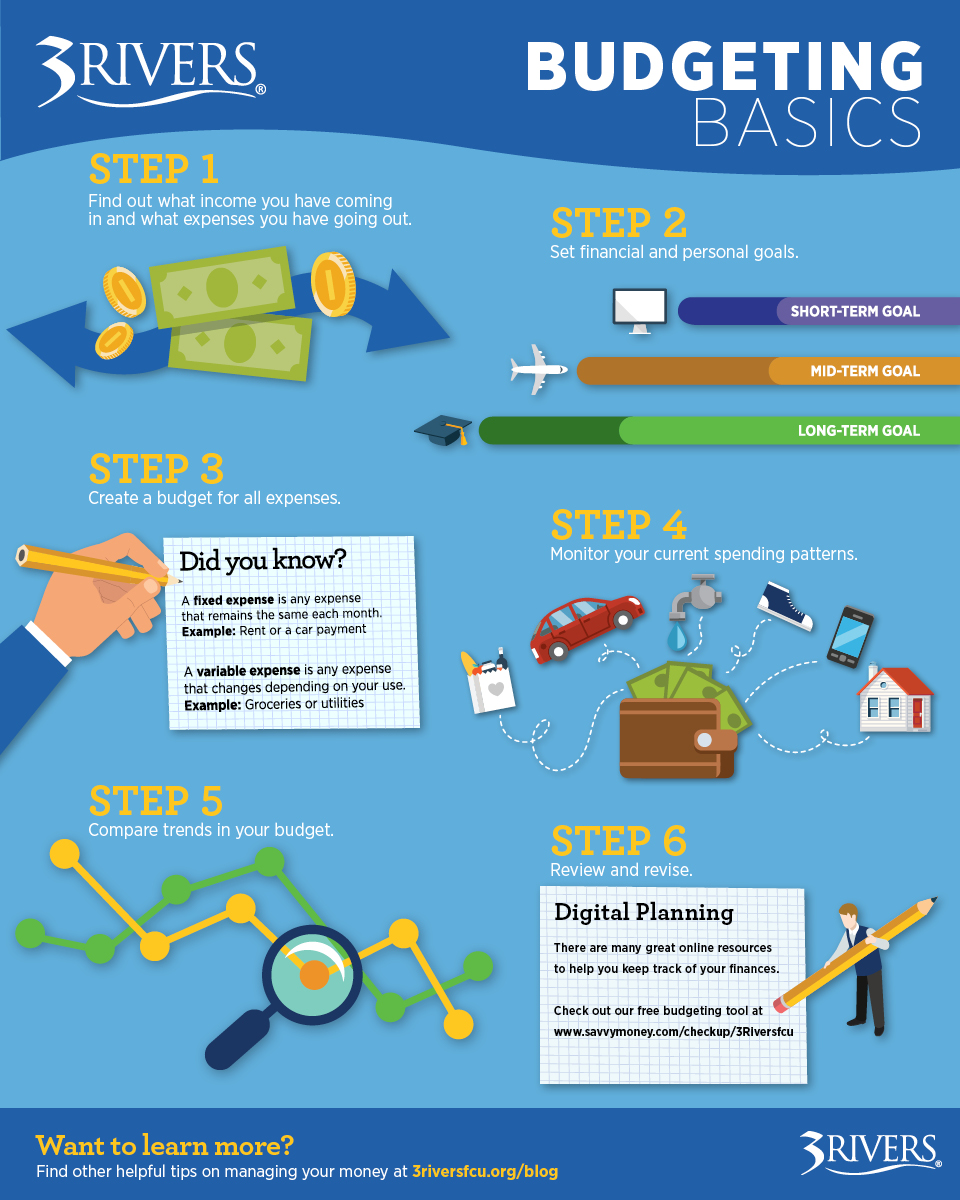
4. Always make purchases according to your financial ability and avoid living beyond your means. Efficient financial planning is required to maintain economic stability.
5. Avoid unnecessary loans and debts that you are unsure how to repay. This can lead to financial problems in the future.
6. Regularly check your finances and invest time and effort in learning about financial topics. This way, you can make informed decisions and achieve financial stability in the long run.





