


1. Monthly Budget Analysis
In order to maintain financial stability and ensure efficient financial management, it is important to conduct ongoing analysis of costs and control the monthly budget. Monthly budget analysis allows you to clearly see the gaps between expenses and income and identify areas where savings can be made and improve your financial management.
Once you know your budget for the current month, you need to analyze the information and compare it to the original budget. This will help you see if there are unexpected costs or different incomes than expected. This analysis can provide you with a clearer picture of your financial situation and help you in the decision-making process regarding future expenses and adjusting the next budget.
Additionally, monthly budget analysis allows you to identify which activities or projects contribute to income and profit and which may be sources of unnecessary expenses. If you identify areas where savings can be made and processes improved, you can act accordingly and enhance the performance of your business.
2. Comparing Expected Expenses to Budgets
At this stage of cost analysis and budget control, it is important to compare expected expenses to predefined expectations. This comparison will help understand whether the prepared budget meets all the needs and goals set, and whether there is a need for budget updates or changes.

To make this comparison efficiently, it is necessary to compare expected expenses to expectations in each area and line item in the budget. Check whether the amount of money allocated to each line item matches the predefined expectations and whether there are anomalies or gaps that need to be addressed.
The budget is an important tool for business management and central to the management process
Avi Cohen – Business Manager
In order to perform this comparison efficiently, you can use advanced tools and software that assist in comparing data in a systematic and accurate manner. It is also important to establish metrics and parameters that will help assess the differences between expected expenses and expectations and determine which actions to take to adjust and optimize the budget.
After completing the comparison of expected expenses to expectations, it is important to prepare a detailed report that will help the management and financial team understand the current situation and determine options for improvement and budget refinement in the future.
3. Budget Management for Multiple Projects
Managing budgets for multiple projects is a complex process that requires thorough planning and control to ensure the success of these projects. This management includes cost analysis, budgeting, budget control, risk assessment processes, and budget management throughout the project.
In order to efficiently manage budgets for multiple projects, it is important to emphasize precise budget control processes and efficient coordination among different teams in the organization. This can prevent oversights and maintain financial resilience in various projects.
In addition, a deep analysis of costs in different projects is required to identify gaps and determine whether intervention and budget corrections are necessary. Efficient budget management ensures that projects are completed on time and within the desired budget, leading to improved work processes and organizational performance indicators.

In summary, managing budgets for multiple projects is a fascinating process that requires careful coordination and control to ensure the success of the projects. This process requires strategic thinking and efficient management to achieve successful outcomes and improve team performance.
4. Expense Reduction and Profitability Enhancement
When it comes to budget management and cost control, it is important to focus on steps that will help reduce expenses and increase business profitability. Understanding the financial processes and economic information of the business can lead to significant improvements in performance and results.
One of the efficient methods for reducing expenses is to conduct a precise cost analysis. To perform this analysis, you need to gather and analyze all the business expenses, including transfers, purchases, overhead, and additional expenses. During this analysis, you should ask yourself if all these expenses are truly necessary and if savings can be made.

Additionally, it is important to reduce additional costs by exploring opportunities for savings. This includes seeking cheaper suppliers, encouraging the use of innovative technologies that can save money, and investing in developing more efficient processes.
Cost analysis can lead to improvements and implementation of new policies in business
Rebecca Galad – Economic Consultant
Alongside reducing expenses, you must also focus on increasing business profitability. This includes acquiring new customers, improving service to existing customers, developing new products, and enhancing promotion and marketing.
Ultimately, by reducing expenses and increasing profitability, you can improve business performance and ensure much greater economic growth.
The main goal of budget control is to ensure balance between expenses and income
Michael Cohen – Financial Manager
5. Tools for Budget Control and Expenses
Budget control is an important part of financial management for guidance models. To maintain financial stability and reduce financial risks, it is important to use appropriate tools for cost analysis and expense control.
Below is a list of key tools for budget control and expenses:
- Monthly Budget – Monthly expense stability is important to prevent alerts
- Cost Analysis – Detailed analysis of all expenses to identify areas for improvement
- Budget Monitoring – Analyzing expenses compared to the original budget and adjusting them
- Invoice Management – Bypassing invoices, viewing expenses, and alerting anomalies
- Account Monitoring – Regular checking of invoices and expenses to identify errors or anomalies
By using the appropriate control and analysis tools, you can improve financial management and reduce financial risks for guidance models.
6. Providing Reports to Clients and Partners
In this section, we describe how the process of providing reports and information to clients and partners within the framework of cost analysis and budget control works. Detailed and in-depth reports are an integral part of this process, serving clients and partners to understand the business’s economic and financial situation accurately and make informed decisions.
The presented reports may include information such as expenses versus budget, accurate financial data, expected and unexpected costs, profitability data, and more. All the information presented in the reports is thoroughly examined and scrutinized to ensure its accuracy and reliability.
Additionally, great importance is placed on delivering reports to clients and partners in a timely and professional manner so that they are prepared to deal with changes and make quick decisions based on updated information.
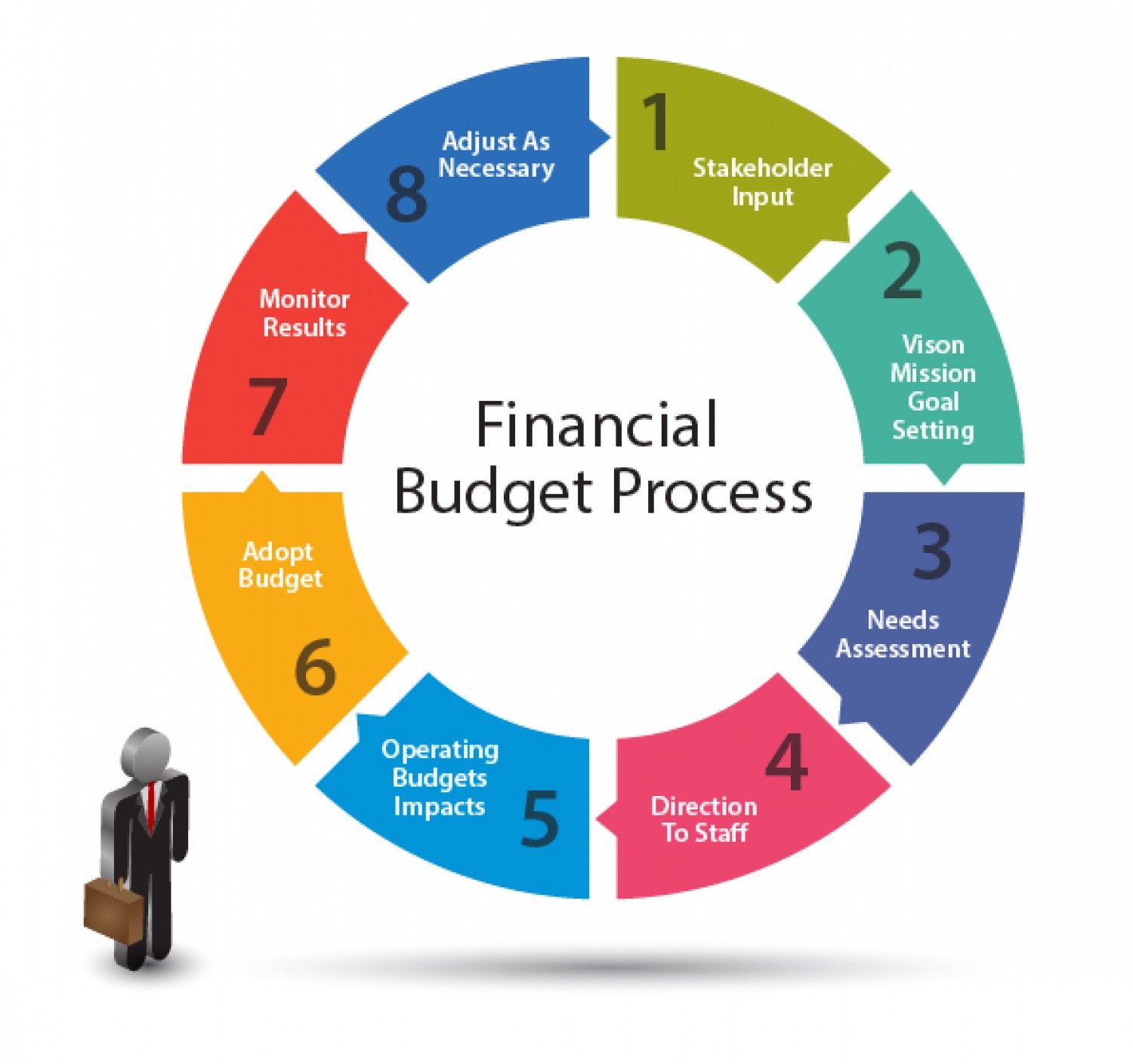
In conclusion, cost analysis and budget control are conducted to ensure economic and financial stability for a business, and delivering accurate and comprehensive reports is an integral part of this process.






