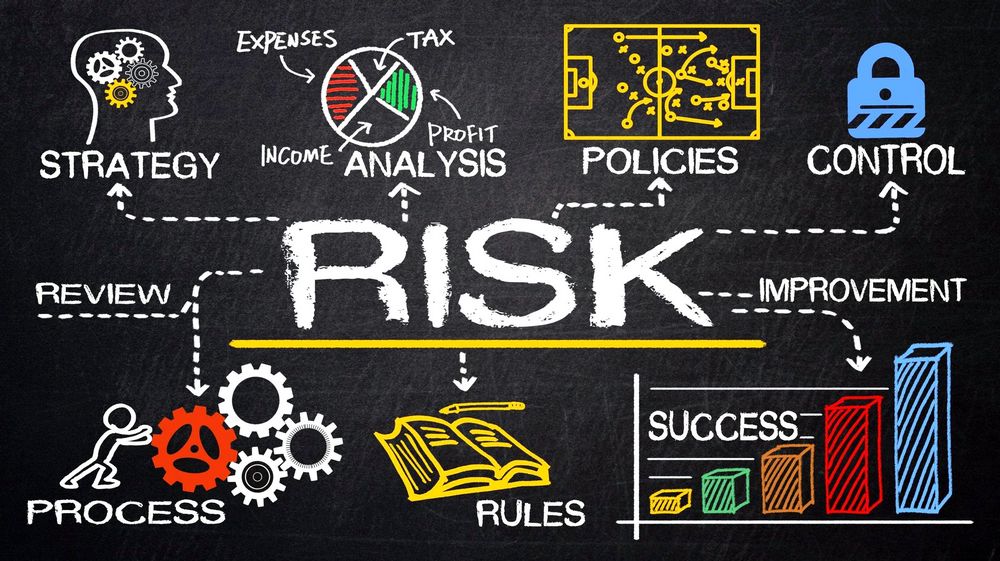
Digital Risk Management Tools
Digital technologies offer a wide range of tools for risk management in the financial sector. These tools enable risk managers to identify, measure, and manage risks efficiently and accurately.
One of the tools used for risk management is digital risk management software. This software allows users to create risk profiles, manage risks in real-time, and establish strategies to reduce or manage them.
Another digital risk management tool is cloud-based risk management system. This system allows users to access it from any device and location, and manage risks collaboratively and efficiently.
Technological advancement offers new tools for risk management and enables innovation in the field
Michael Cohen – Financial Manager
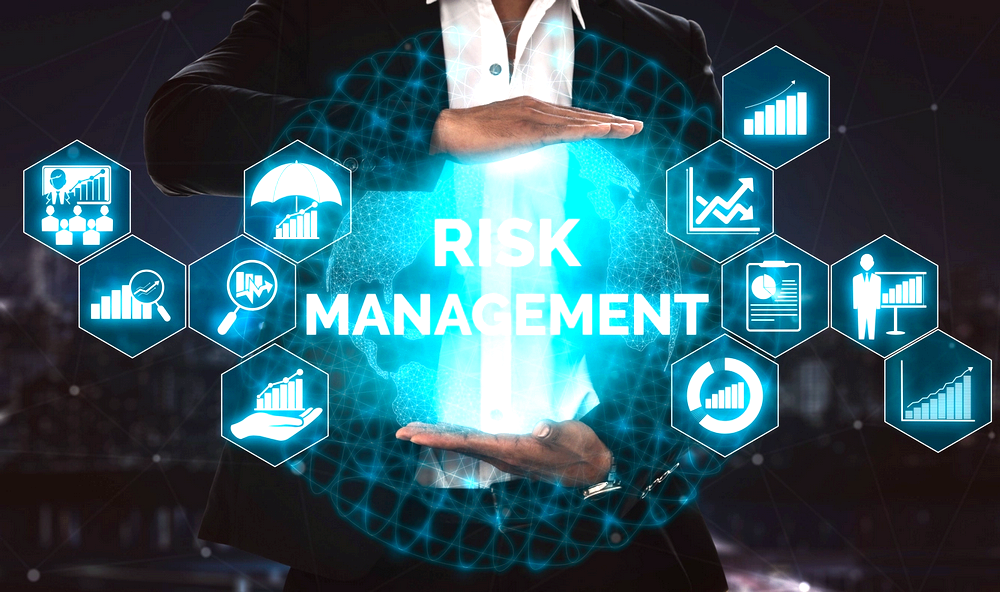
Digital risk management tools also provide options for data analysis and generating automated reports. This allows risk managers to make decisions based on accurate and up-to-date data.
At the end of the day, digital risk management tools enable risk managers to be more efficient, accurate, and managed in a sophisticated and organized manner.
Applications and Software for Risk Management
Digital technologies and innovations change the way we manage risks. With the development of applications and software dedicated to risk management, it is possible to significantly reduce business risks and enhance our ability to identify, assess, and manage risks efficiently and professionally.
Using applications and software for risk management offers many advantages. For example, it allows real-time tracking of risks, creating reports and statistics, performing advanced risk analysis, and receiving recommendations for necessary steps to mitigate them.
One of the leading applications in risk management is RiskWatch, which provides tools for managing various business risks. With the help of the software, risks can be identified, ranked according to severity, and recommendations for dealing with them can be obtained in a professional and efficient manner.
Additionally, RiskSense software is another advanced application that assists in risk management and identifying security vulnerabilities in information systems. With the software, vulnerabilities in information security can be identified and corrected proactively, before they become widespread and pose risks to the organization.
In summary, applications and software for risk management are essential tools in the digital age, helping organizations reduce risks, improve their ability to manage risks professionally, and protect their values and information efficiently.
Updates and News in the Field of Digital Technologies in Risk Management
Digital technologies are changing the way we navigate and manage risks is not exceptional. With the development of new technologies, it is possible to understand various processes and obtain information about risks quickly and efficiently.
One of the newest technologies in risk management is cloud-based risk management platforms. These platforms provide remote access to information, enable collaboration between teams, and help manage risks in a centralized and efficient manner.
Another interesting technology is the use of artificial intelligence for risk analysis and identification. Smart systems can identify patterns and predict future risks, helping risk managers make informed and secure decisions.
Additionally, technologies like blockchain offer a secure and equitable method for risk management. The technology allows you to create blocks of secure information and share them only with authorized individuals, enhancing visibility and credibility to the management process.
In conclusion, digital technologies offer new and efficient tools for risk management. Using these technologies may improve the management process and lead to informed decisions based on data.
Advantages and Disadvantages of Investing in Digital Technologies in Risk Management
Digital technologies offer advanced tools for risk management and improving decision-making processes in businesses. Despite the many advantages of investing in digital technologies, there are also disadvantages to consider.

One of the key advantages of investing in digital technologies in risk management is the ability to collect and analyze data quickly and efficiently. This allows risk managers to make data-driven decisions and reduce business risks.
The ability to deal with digital risks is essential for transparency and growth of any business
Abigail Cohen – Finance Manager
Another advantage of digital technologies in risk management is the ability to improve communication processes within an organization. Digital tools enable efficient collaboration among work teams and increase transparency in decision-making processes.
On the other hand, there are also disadvantages to investing in digital technologies in risk management. Unfortunately, these technologies can be costly and require time and resources to be successful.
It is important to mention the risk associated with information security and privacy when using digital technologies in risk management. Special attention is required to secure information and prevent potential security breaches.
Professional and up-to-date knowledge is the key to risk management in the technological age.
Yael Cohen – Business Consultant

In conclusion, investing in digital technologies in risk management comes with both advantages and disadvantages to consider. Risk managers need to assess the value of these technologies and act according to the organization’s needs and the level of risks they are willing to take.
Tips and Recommendations for Smart Investment and Risk Management in the Digital Technology Age
In the modern world, digital technologies have a fundamental impact on all aspects of life, including risk management and financial investments. To invest wisely and manage risks efficiently, it is important to consider the new technologies and innovations of the current era.
Here are some tips and recommendations for smart investment and risk management in the digital technology age:
- Monitor market trends: It is important to stay updated at all times on economic and technological trends that affect the investment and financial management sector.
- Invest in technology companies: Technology companies can provide numerous incentives for financial investments, so consider investing in advanced technology companies.
- Invest in digital currencies: Digital currencies like Bitcoin and electronic trading sites can be a fascinating and smart investment medium.
- Invest in bonds and stocks: Despite digital technology, it is still important to invest in classic funds and stocks that provide stability and good returns.
- Consider investing in crypto: Crypto is a new world where you can invest and trade in digital currencies quickly and conveniently, so it is worth considering investing in digital assets.
In conclusion, it is important to remember that in the digital technology age, risks should be considered and managed efficiently and professionally to achieve high returns and maintain secure profits.